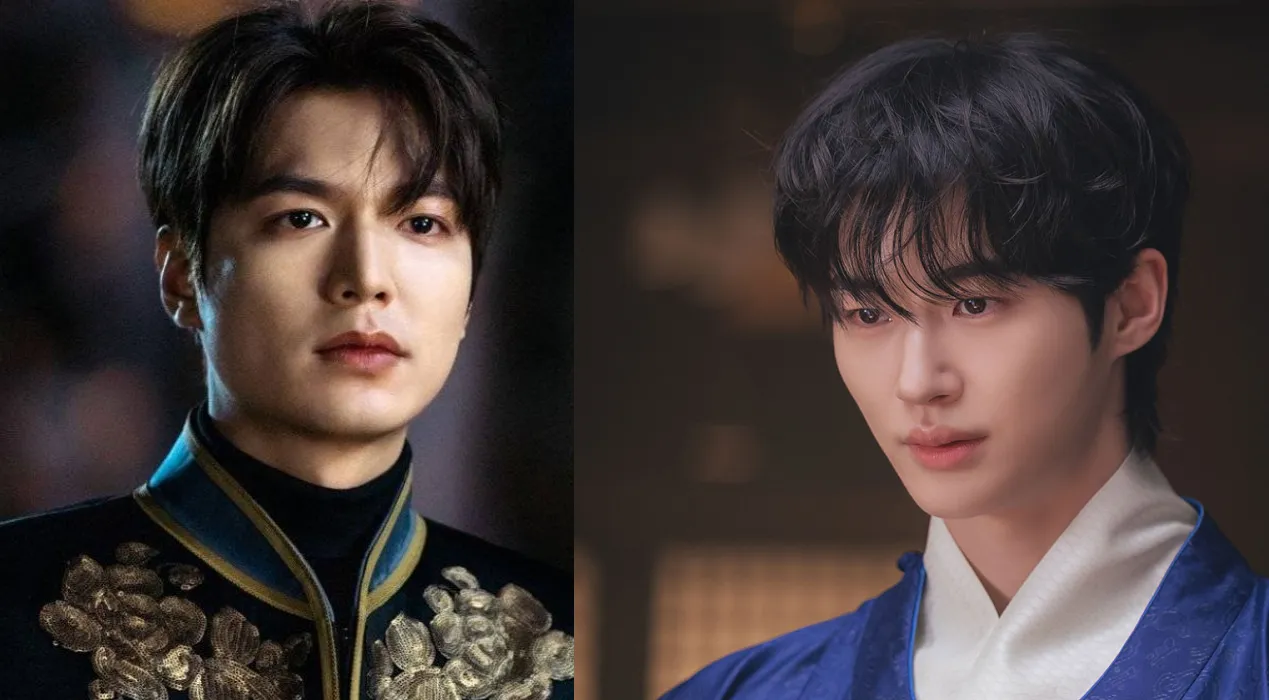
Seoul – K-drama fans are once again immersed in a fervent debate, dissecting the very essence of royal stoicism portrayed on screen. The recent performance of Lee Wan by the phenomenal Byeon Woo Seok in the highly anticipated The Crown and Emotionless Kings has vigorously reignited the perennial discussion surrounding the ‘emotionless king’ trope. This has drawn immediate comparisons to Lee Min Ho’s iconic Lee Gon from The King: Eternal Monarch. While both actors have faced scrutiny for their characters’ perceived lack of overt emotional expression, a significant and vocal contingent of fans and industry observers are asking: Is this truly an acting flaw, or a deeper, more pervasive issue rooted in K-drama writing itself?
For years, viewers have been captivated by the majestic yet often reserved demeanor of fictional monarchs. Lee Gon, with his brilliant mind and regal bearing, frequently kept his true feelings under lock and key, leading to some frustration among those who yearned for more overt displays of affection or vulnerability. Similarly, Byeon Woo Seok’s Lee Wan has been met with comparable observations – a king whose immense inner turmoil seems to rarely ripple across his meticulously composed facade. The now infamous “ballroom scene” in The Crown and Emotionless Kings, in particular, sparked accusations of “no chemistry,” leaving many baffled.
However, a closer, more critical look suggests that attributing this emotional restraint solely to the actors is a grave misjudgment and an unfair burden. We contend that the issue lies not with the stellar, committed performances of Lee Min Ho or Byeon Woo Seok, but rather with a pervasive pattern in K-drama screenwriting. This often prioritizes plot mechanics and enigmatic mystique over genuine, nuanced, and timely character development. While there is often plenty of internal evidence for profound emotions within these characters, scripts frequently fail to provide the necessary narrative beats or emotional conduits for these feelings to manifest externally in impactful moments.
Let’s dissect Lee Wan’s much-maligned ballroom moment. At that specific point in the narrative, the character was unequivocally operating under the premise of a contract wedding, deliberately shielded by a carefully constructed wall of emotional detachment. To expect effusive, heart-fluttering displays of romantic chemistry at that precise juncture would not only be premature but would fundamentally betray the character’s established internal conflict and the writer’s explicit intent. If the director’s intention was to have Byeon Woo Seok embody a regal figure strategically mimicking a “Mark Zuckerberg with the expressionless resting face, pale skin, and lack of natural micro-expressions,” then he didn’t just nail it – he sculpted a pitch-perfect portrayal of calculated reserve. His acting was a precise, logical, and commendably accurate extension of a character designed to be emotionally guarded. This isn’t a critique of his performance; it’s a testament to his ability to inhabit a challenging role.
This isn’t an isolated incident unique to these two acclaimed actors. It’s a recurring blind spot observed across numerous K-dramas where main characters, particularly those burdened by immense power or status, are penned into a corner of perpetual stoicism. The ‘loneliness of the crown’ becomes less a tragic, deeply felt character trait and more a convenient writing trope that limits emotional range. This inadvertently sets incredibly talented actors up for misinterpretation and undue criticism. The issue often lies in the fundamental writing of such characters, where the emotional landscape is described but rarely fully explored or externalized when it should be.
It’s time for critics and viewers alike to shift their focus. Before dissecting an actor’s perceived “lack of emotion,” let’s first examine the blueprint they’re handed. Lee Min Ho and Byeon Woo Seok, among many others, consistently deliver compelling, complex performances, even when their characters are deliberately crafted to appear aloof. Perhaps, instead of asking why our kings aren’t crying on cue, we should be challenging why K-drama writers aren’t consistently giving them more organic, well-earned opportunities to genuinely feel and express the full spectrum of human emotion, even amidst the heavy weight of their crowns.