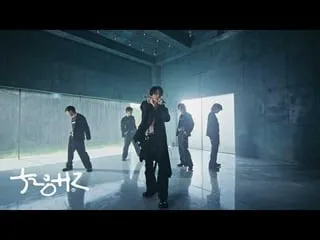
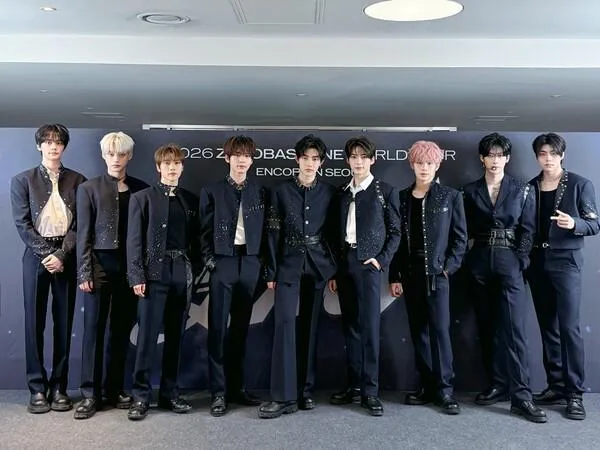
The K-Pop world is reeling as reports surface that Yuehua Entertainment Korea, formerly YH Entertainment Korea, is facing a staggering ₩12.4 billion (approximately $9 million USD) damages lawsuit. The dispute stems from the alleged failure of two Zerobaseone (ZB1) members, Zhang Hao and Ricky, to appear at a concert in Taiwan.
According to THE Biz, the lawsuit was filed by Taiwanese concert promoter Tianfang Culture Co., Ltd. against Loud Corporation and YH Entertainment Korea, among others. On May 6 (local time), the Taipei District Court issued a civil ruling that dismissed part of the lawsuit and transferred another part to the court with proper jurisdiction. Crucially, this ruling did not address liability or damages; it dealt solely with which court has the authority to hear the complex case.
The controversy reportedly ignited on May 29, 2025, just one day before the scheduled concert on May 30, 2025. Tianfang Culture, the alleged event organizer, claims that a Hong Kong-registered intermediary, Yuchiwu Digital Technology Center Ltd., had arranged for all nine members of Zerobaseone to perform. However, the plaintiff alleges that Yuehua Entertainment unilaterally decided that Zhang Hao and Ricky would not appear. This decision, it’s claimed, came after their families reportedly received phone calls from someone purporting to be affiliated with the Taiwan Affairs Office of the Chinese State Council, warning them against performing in Taiwan.
Further complicating the situation, members Zhang Hao and Ricky, whose absence triggered the dispute, reportedly left the group when their contracts expired in March. This detail adds another layer to the legal battle over their concert participation.
The plaintiff alleges that Yuehua Entertainment publicly stated the two members were absent due to health reasons, even though the real cause was political or external pressure. This revelation has sent shockwaves through the international K-Pop fandom, igniting a fierce debate online.
Fandom reaction has been swift and varied: Many are expressing concern for the idols, with one fan stating, “So idols preferring their security resulted them in getting sued for billions.” Given Zhang Hao and Ricky’s Chinese nationality and the sensitive political climate between mainland China and Taiwan, the concern over external pressure is deemed “pretty legit” by many stans.
The alleged use of “health reasons” as a public explanation has also sparked discussion. As one fan pondered, “Am I crazy but isn’t this a better excuse to tell fans than to tell fans that their own government warned two idols to not perform?” This highlights the difficult position agencies face when navigating geopolitical tensions while trying to protect both their artists and their public image.
Beyond the immediate lawsuit, there are fears about broader implications. “Taiwan already doesn’t get much concerts and this might lower the chances even further,” expressed another fan, concerned about the potential chilling effect on future K-Pop performances in the region.
As the legal battle for jurisdiction moves forward, the K-Pop community watches closely, pondering the precedent this case could set for artist safety, agency transparency, and the delicate intersection of entertainment and international politics.