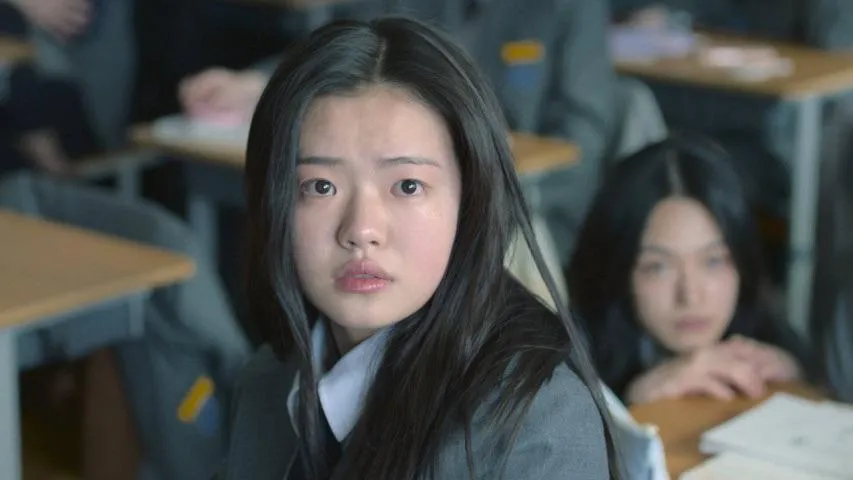
K-dramas are globally celebrated for their compelling narratives, but perhaps no genre element sparks as much intense discussion and emotional resonance as their brutal, honest portrayals of school bullying, often termed ‘school violence’ in Korea. International fandom is consistently amazed – and often heartbroken – by how effectively these series capture the raw, devastating reality of the issue.
The visceral impact on viewers is undeniable. One fan online articulated a widely shared sentiment, “Same girl I was raging when they slapped her around!” Such intense reactions highlight the dramas’ ability to pull audiences directly into the victims’ suffering. This emotional investment frequently gives way to a somber realization, as another netizen commented, “And it breaks my heart that it actually happens in real life.”
Part of the effectiveness, many argue, stems from the stark cultural context. “The fact that they straight up call it ‘school violence’ instead of bullying, tells you the seriousness of it,” observed one fan, pointing to the profound gravity of the issue within Korean society. This isn’t merely petty squabbles; it’s depicted as a deeply entrenched, often traumatic, societal problem. A more cynical, yet widely discussed, theory from fandom suggests, “Probably cause Koreans have taken school bullying to professional levels. There seems to be a significant amount of it over there.”
But how do K-dramas achieve such unsettling authenticity? The prevailing theory among fans points to a pervasive, almost universal, societal experience. “No, but I guess it’s something that almost everyone witnesses at one point, so I guess both writers and actors can channel it easier,” commented a netizen. This shared understanding, it’s suggested, profoundly influences the creative process. “Yeah, I think most writers have at least seen it or experienced it themselves or did it themselves at one point of life. After all, creative writing is an extension of yourself,” another fan added, linking personal experiences directly to the powerful narratives. This perceived authenticity is further underscored by real-world controversies where “Some famous actors have also had their bullying pasts revealed too,” adding an uncomfortable layer of ‘experience’ to the ongoing discussion.
Whether through raw emotional impact, the gravity of its cultural naming, or the deep well of shared societal experience, K-dramas continue to masterfully expose the harsh realities of school violence. They don’t just tell stories; they ignite vital conversations, foster empathy, and unflinchingly hold a mirror to uncomfortable truths, cementing their global impact far beyond mere entertainment.